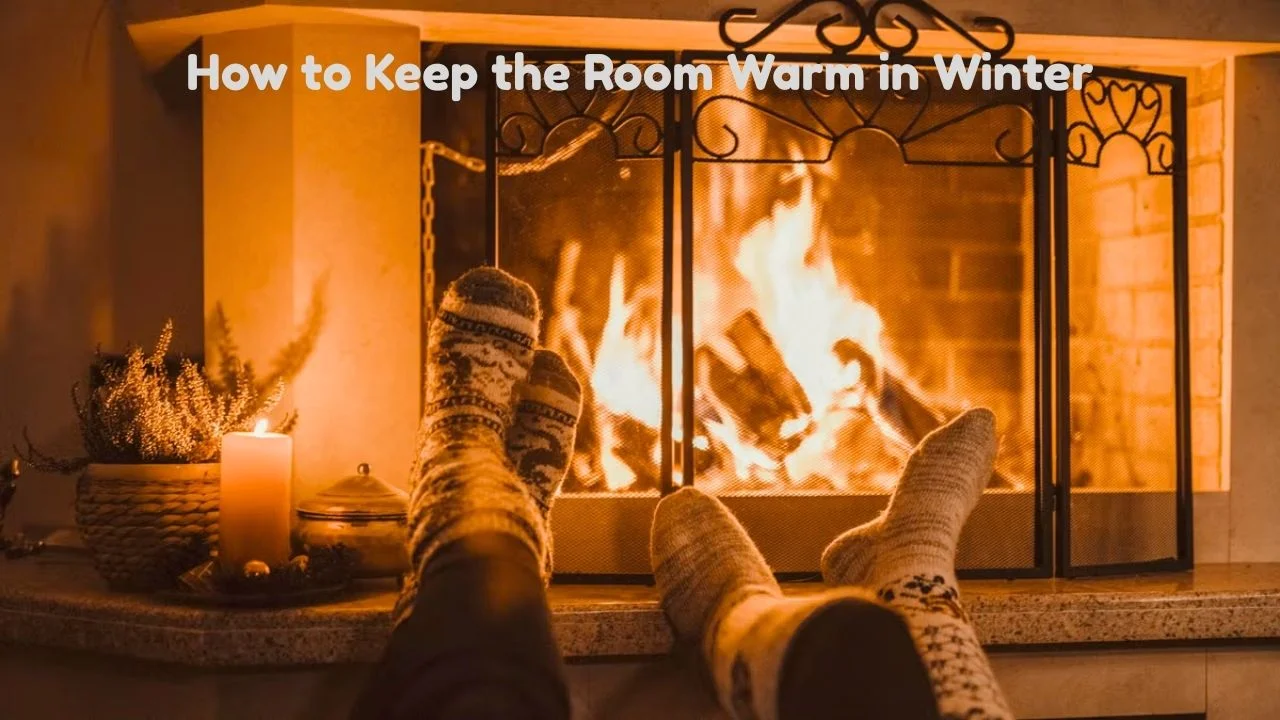
How to keep the room warm in winter starts with understanding heat retention basics. Cold months bring challenges that affect comfort and energy bills alike. Finding effective solutions helps families stay comfortable without breaking the bank.
Many homes struggle with temperature control during freezing weather. Drafts creep through windows and doors. Heat escapes through walls and ceilings. These problems make rooms feel uncomfortable despite running heaters constantly.
This guide explores practical methods for maintaining warmth. You’ll discover simple fixes and advanced techniques. Each strategy works whether you rent or own your home.
Understanding Heat Loss in Your Home
Heat escapes through multiple pathways in every building. Knowing where warmth goes helps you stop the loss effectively.
Common Areas Where Heat Escapes
Windows account for significant thermal loss during cold seasons. Single-pane glass transfers temperature rapidly. Air leaks around frames compound the problem. Doors create gaps that allow cold air inside. The space underneath doors often measures several millimeters. Weather stripping deteriorates over time and needs replacement.
Walls without proper insulation let warmth seep out continuously. Older homes particularly suffer from inadequate wall protection. Even modern buildings sometimes have poorly insulated sections. Attics and roofs represent major escape routes for heated air. Hot air naturally rises toward ceilings. Without barriers, it flows directly into attic spaces and outside.
Floors above unheated spaces like basements or garages feel perpetually cold. Heat transfers downward into these cooler areas. Your feet feel the chill immediately upon waking.
Why Some Rooms Stay Colder Than Others
Room placement affects temperature significantly throughout any building. North-facing spaces receive less sunlight during winter months. External walls on multiple sides increase exposure to outdoor temperatures. Poor air circulation prevents even heat distribution in larger areas. Closed vents or blocked radiators create cold pockets. Furniture placement sometimes restricts airflow unintentionally.
Ceiling height influences how warm a space feels to occupants. Taller rooms require more energy to heat effectively. The warmest air collects near the ceiling, away from living areas. Building materials impact thermal retention differently across various rooms. Concrete walls hold cold longer than wooden ones. Tile floors feel much colder than carpeted surfaces underfoot.
How to Keep the Room Warm in Winter Indoors
Indoor warmth requires combining multiple strategies for optimal results. Layer different approaches to create comprehensive thermal protection.
Insulating Walls and Ceilings
Adding insulation to existing walls improves heat retention dramatically. Blown-in insulation fills cavities without major renovation work. Professional installation ensures proper coverage throughout wall spaces. Insulated wall panels attach directly over existing surfaces easily. These panels add R-value while creating decorative finishes. Installation requires only basic tools and moderate DIY skills.
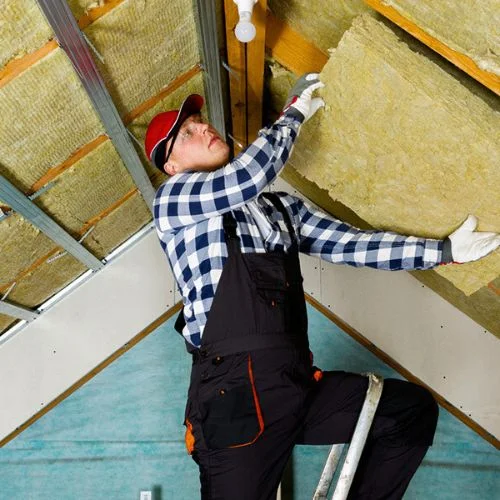
Ceiling insulation prevents the largest portion of heat loss upward. Adequate attic insulation should measure at least twelve inches deep. Check current levels and add more if needed. Reflective barriers in attics redirect radiant heat back downward. These foil-backed materials install beneath roof decking effectively. They work particularly well in combination with traditional insulation.
Floor Insulation Techniques about how to keep the room warm in winter
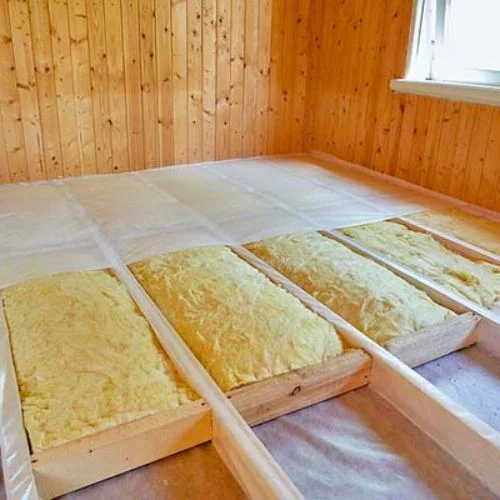
Area rugs over hard flooring create warmth underfoot immediately. Thick pile rugs trap air and provide cushioning comfort. Layer multiple rugs in high-traffic areas for extra protection. Insulated underlayment beneath flooring stops cold from penetrating upward. This solution works during renovations or new construction. Existing floors benefit from adding rugs and padding.
Heated floor mats target specific areas where you spend time. Place them beside beds or under desks for localized warmth. These energy-efficient devices cost little to operate continuously.
Room Dividers and Draft Stoppers
Temporary room dividers reduce the volume of space requiring heating. Heavy curtains or folding screens section off unused areas. Heating smaller spaces costs less and maintains temperature better.
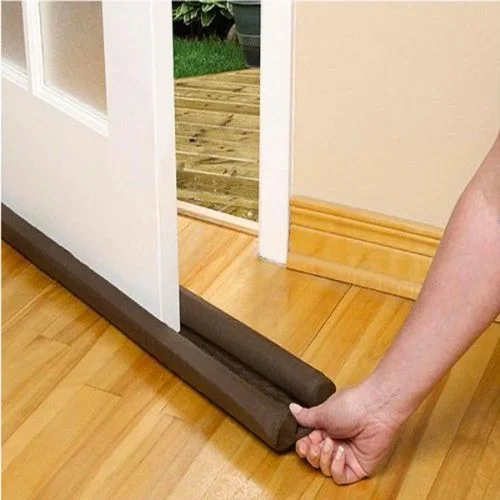
Draft stoppers along door bottoms prevent cold air infiltration between rooms. Fabric tubes filled with sand or rice work perfectly. Make decorative versions that complement your interior design.
Closing doors to unused rooms conserves heat in occupied spaces. Don’t heat guest bedrooms or storage areas during winter. Focus resources on spaces you actually use daily.
How to Keep the Room Warm in Winter Naturally
Natural methods rely on physics and smart design rather than technology. These eco-friendly approaches reduce environmental impact while maintaining comfort.
Harnessing Solar Energy
Passive solar heating uses south-facing windows to capture sunlight. This free energy source warms interior spaces during daylight. Dark flooring and walls absorb and store this heat.
Thermal mass materials like brick, stone, or concrete store solar warmth. They release accumulated heat gradually throughout evenings. Adding thermal mass improves temperature stability significantly.
Solar tubes or skylights bring natural light and warmth to interior rooms. These installations brighten dark spaces while adding passive heating. Consider placement carefully for maximum winter sun exposure.
Body Heat and Occupancy
Multiple people in one room generate significant warmth naturally. Body heat raises temperatures noticeably in smaller spaces. Gathering together reduces the need for additional heating.
Pets contribute warmth when cuddling on couches or beds. Dogs and cats radiate heat that benefits nearby humans. This companionship provides comfort and practical thermal advantages.
Physical activity generates internal heat that warms your body directly. Light exercise or household chores raise your core temperature. You’ll need less external heating when staying active.
Natural Insulation Materials
Wool blankets provide superior warmth compared to synthetic alternatives. Natural fibers trap air effectively while remaining breathable. Layer wool throws on furniture for accessible warmth.
Cotton or linen curtains layered with wool create excellent window insulation. Natural materials regulate moisture better than purely synthetic options. They also look and feel more comfortable.
Down comforters and pillows offer unmatched warmth-to-weight ratios naturally. Responsibly sourced down provides ethical insulation for bedding. Fluff regularly to maintain loft and insulating properties.
How to Keep the Room Warm in Winter Overnight
Nighttime presents unique challenges as outdoor temperatures drop further. Maintaining comfortable sleeping temperatures requires specific strategies.
Bedroom Preparation Before Sleep
Closing bedroom doors traps heat generated during evening hours. This captured warmth sustains comfortable temperatures longer overnight. Open doors only if safety requires clear pathways.
Drawing all curtains before sunset prevents heat loss through windows. Heavy drapes provide better insulation than thin materials. Layer window treatments for maximum overnight protection.
Pre-warming beds with hot water bottles provides immediate comfort without electricity. Place bottles near feet where circulation naturally runs cooler. Wrap them in towels to prevent direct skin contact.
Wearing appropriate sleepwear keeps you warm without overheating rooms. Natural fiber pajamas breathe while insulating your body effectively. Avoid synthetic materials that trap moisture uncomfortably.
Managing Thermostat Settings
Lowering nighttime temperatures saves energy without sacrificing comfort under blankets. Most people sleep better in cooler environments anyway. Reduce settings by three to five degrees safely.
Smart thermostats warm rooms before your typical wake time. This automation ensures comfort when getting out of bed. Program gradual temperature increases for gentle awakening.
Maintaining minimum temperatures prevents pipes from freezing overnight safely. Never let indoor temperatures drop below fifty-five degrees. Balance energy savings with necessary freeze protection.
Safe Overnight Heating Devices
Oil-filled radiators operate safely throughout nights without supervision concerns. Their sealed designs prevent fire hazards during extended operation. Set built-in thermostats to maintain steady temperatures.
Electric blankets with auto-shutoff features provide worry-free warmth while sleeping. Modern safety standards make these devices reliable overnight. Choose models with dual controls for shared beds.
Ceramic space heaters with tip-over protection work safely in bedrooms. Position them away from bedding and curtains always. Never run heaters with extension cords or power strips.
How to Keep the Room Warm in Winter DIY
Do-it-yourself projects offer customized solutions tailored to specific needs. These hands-on approaches save money while building useful skills.
Plastic film window insulation kits shrink tight with hair dryer heat. These transparent barriers trap insulating air against glass surfaces. Installation takes minutes and removes easily in spring.
Building interior storm windows from acrylic sheets provides reusable insulation. Cut panels to fit window frames with weatherstripping edges. Store them each spring for use next winter.
Bubble wrap applied to windows with water spray creates effective insulation. Large bubbles work better than small ones for this purpose. This ultra-budget solution costs almost nothing to implement.
Sewing fabric tubes filled with rice creates effective door draft stoppers. Choose heavy fabric that won’t tear with regular use. Make them long enough to cover entire door widths.
Pool noodles cut to length and wrapped in fabric work perfectly. They maintain their shape better than loose-fill materials. Slice one side to fit snugly beneath doors.
Rolled towels provide quick temporary solutions for unexpected drafts. Keep extras handy throughout winter for emergency use. Replace them with permanent solutions when possible.
How to Keep a Poorly Insulated House Warm
Older homes or budget rentals often lack adequate insulation throughout. Overcoming these challenges requires creative, comprehensive approaches. Hanging heavy blankets or quilts on exterior walls adds thermal protection. Decorative tapestries serve aesthetic and practical purposes simultaneously. Rotate them seasonally to refresh room appearances. Cardboard panels behind furniture on external walls provide hidden insulation. This free material from boxes offers surprising R-value. Cover with fabric for finished appearances if visible.
Newspaper or cardboard stuffed into drafty crawl spaces blocks cold air. This free insulation stops some heat loss from floors. Replace annually as materials settle or compress. Concentrate heating efforts in rooms you actually use regularly. Close off unused bedrooms, dining rooms, or formal spaces. Heat only necessary square footage to maximize efficiency. Create a cozy primary living space where family gathers most. Make this room as warm and comfortable as possible. Accept that other areas may remain cooler.
Use portable heaters to warm specific rooms before occupancy. Turn them off when leaving spaces to conserve energy. This targeted approach works better than heating everything equally.
How to Keep Room Warm in Winter for Baby
Babies require special temperature considerations for safety and comfort. Their developing systems need careful monitoring and appropriate warmth.
Safe Sleep Temperature
Maintain nursery temperatures between sixty-eight and seventy-two degrees Fahrenheit consistently. This range supports safe sleep practices recommended by pediatricians. Use reliable thermometers to monitor accurately.
Dress babies in appropriate sleepwear for prevailing room temperatures. Sleep sacks provide warmth without loose blanket risks. Choose seasonally appropriate fabric weights and thicknesses.
Never use electric blankets or heating pads in cribs directly. These pose serious safety hazards for infants always. Rely on room heating and appropriate clothing instead.
Monitoring and Safety
Room thermometers with wireless monitors let you check temperatures remotely. Place sensors away from heating vents for accurate readings. Some models alert you to temperature fluctuations.
Regular checks ensure babies aren’t overheating during sleep periods. Feel their chest or back rather than hands or feet. Sweating or flushed skin indicates excessive warmth.
Keep cribs away from windows, vents, and heating units always. These locations create temperature extremes that affect babies negatively. Position cribs against interior walls when possible.
Nursery-Specific Solutions
Blackout curtains serve dual purposes in nurseries during winter months. They block light for better sleep and insulate windows. Choose thermal-backed versions for maximum effectiveness.
Humidifiers help babies breathe easier in dry winter air. Clean them daily to prevent bacteria or mold growth. Use distilled water to minimize mineral buildup.
Ceiling fan operation distributes warm air that rises naturally upward. Run fans on low speed in reverse to push warmth downward. This gentle circulation avoids drafts on sensitive skin.
How to Keep a Room Warm Without Electricity
Power outages or off-grid situations require non-electric heating methods. These techniques have sustained humans through winters for millennia.
Traditional Heating Methods
Fireplaces and wood stoves provide reliable warmth without electrical power. Ensure proper ventilation and carbon monoxide detectors always. Stock adequate dry firewood before winter arrives.
Propane heaters designed for indoor use offer backup heating options. Ventless models exist but require careful safety consideration. Follow manufacturer guidelines exactly for safe operation.
Kerosene heaters warm spaces effectively during power failures. Store fuel properly and ensure adequate ventilation always. These provide emergency heat when other options fail.
Body and Bedding Warmth: Layering clothing traps air between garments for effective insulation. Wool and fleece provide excellent warmth even when damp. Cover heads and feet where heat loss occurs fastest. Sleeping bags rated for cold temperatures provide reliable overnight warmth. Choose bags appropriate for expected minimum indoor temperatures. Pair them with insulated sleeping pads underneath.
Shared body heat between family members conserves individual energy expenditure. Gathering together in one room concentrates warmth effectively. This traditional approach works remarkably well.
Passive Heat Sources: Candles generate small but meaningful amounts of warmth collectively. Group several candles safely in lanterns for better effect. Never leave burning candles unattended anywhere. Hot water in sealed containers acts as temporary thermal mass. Rotate bottles from boiling water to beds or seating areas. Wrap them in towels for safe, prolonged heat release.
Cooking on gas stoves releases heat into surrounding spaces. Preparing hot meals and beverages provides both warmth and nutrition. Open oven doors after use to share residual heat.
Energy-Efficient Heating Practices
Smart energy use reduces bills while maintaining comfortable temperatures. Efficiency benefits both budgets and environmental sustainability simultaneously.
Understanding Your Energy Usage
Reading utility bills helps identify unusual consumption patterns or spikes. Compare usage year-over-year to track improvement efforts. Knowledge empowers better decision-making about heating strategies.
Energy audits reveal specific areas where improvements deliver maximum returns. Professional auditors use specialized equipment to find hidden problems. Many utilities offer these services free or discounted.
Monitoring real-time energy consumption with smart meters raises awareness immediately. Seeing instant feedback encourages conservation behaviors naturally. Track changes after implementing efficiency upgrades.
Cost-Effective Temperature Settings
Every degree lower on thermostats reduces heating costs measurably. Most people remain comfortable at sixty-eight degrees during waking hours. Adjust based on personal preferences and activity levels.
Zone heating focuses warmth where needed rather than throughout homes. Close vents in unused rooms to redirect air elsewhere. This simple change cuts costs without sacrificing comfort.
Nighttime temperature reductions save significantly over entire winters. Eight-hour setbacks add up to substantial annual savings. Smart thermostats automate these adjustments consistently.
Regular Maintenance
Changing furnace filters improves efficiency and indoor air quality simultaneously. Dirty filters force systems to work harder unnecessarily. Mark calendars for monthly replacement reminders.
Annual professional inspections catch small problems before they become expensive. Technicians optimize system performance during routine service calls. Preventive maintenance extends equipment lifespan considerably.
Cleaning heating system components maintains peak performance levels. Dust accumulation reduces heat transfer and efficiency gradually. Simple cleaning tasks pay dividends in comfort and cost.
Common Mistakes to Avoid
Certain well-intentioned actions actually reduce warmth or create hazards. Understanding these pitfalls prevents counterproductive efforts.
Blocking Air Circulation
Covering heating vents with furniture or drapes restricts airflow unnecessarily. Systems compensate by running longer or failing to heat properly. Maintain clear spaces around all vents and registers.
Closing too many vents forces air pressure imbalances throughout systems. This can damage ductwork or reduce overall heating efficiency. Close only vents in truly unused spaces sparingly.
Overusing Space Heaters
Running multiple space heaters simultaneously can overload electrical circuits dangerously. Circuit breakers trip to prevent fires from overheating wires. Use appropriately rated circuits and devices always.
Placing space heaters near flammable materials creates serious fire risks. Maintain three-foot clearances around all portable heating devices. Never leave them operating unattended for extended periods.
Ignoring Safety Devices
Disabling or ignoring smoke and carbon monoxide detectors risks lives unnecessarily. These devices provide critical early warnings during heating emergencies. Test them monthly and replace batteries annually.
Bypassing safety features on heating equipment voids warranties and creates hazards. Manufacturers install these protections for important reasons. Never modify equipment to circumvent built-in safeguards.
Relying Solely on Oven Heat
Using kitchen ovens as primary heat sources wastes energy inefficiently. Ovens aren’t designed for continuous operation as space heaters. Gas ovens produce dangerous combustion byproducts when misused.
Long-Term Solutions
Permanent upgrades provide lasting benefits season after season. These investments pay dividends through improved comfort and reduced costs.
Major Insulation Upgrades
Professionally installed wall insulation transforms poorly protected homes dramatically. Various methods accommodate different construction types and budgets. Payback periods often measure just a few years.
Spray foam insulation seals and insulates simultaneously with superior performance. This premium option delivers exceptional R-values per inch. Consider it for problem areas with limited space.
Attic insulation upgrades offer the highest return on investment typically. Adding depth costs relatively little compared to other improvements. Most homes benefit from additional attic protection.
Window Replacement
Energy-efficient windows reduce heat loss by seventy percent compared to single-pane versions. Double or triple-pane units with low-E coatings perform best. Replacement windows also reduce outside noise significantly.
Window films applied to existing glass improve insulation moderately affordably. These coatings reflect heat back inside while allowing light through. Professional installation ensures bubble-free, long-lasting results.
Heating System Upgrades
Modern high-efficiency furnaces use significantly less fuel than older models. ENERGY STAR certified equipment meets strict efficiency standards. Rebates often offset initial purchase costs considerably.
Heat pumps provide efficient heating in moderate climates year-round. They extract warmth from outdoor air even in cold weather. Newer models work effectively at surprisingly low temperatures.
Radiant floor heating provides luxurious, even warmth throughout entire homes. Hydronic systems using hot water offer the most comfort. Installation works best during major renovations or new construction.
Also, check our other blogs about winter like winter activities for families and winter activities for kids.
Conclusion
Staying warm during winter requires combining multiple thoughtful approaches together. Simple fixes like weatherstripping deliver immediate improvements affordably. Advanced solutions provide long-term comfort and efficiency gains. Start with the easiest, most cost-effective solutions available to you immediately. Seal obvious air leaks and optimize existing heating systems first. Build on these foundations with more comprehensive improvements gradually. Every home presents unique challenges requiring customized solution combinations. Experiment with different strategies to find what works best. Monitor results and adjust approaches based on actual performance. Investing in warmth pays dividends in comfort, health, and reduced expenses. Cold homes affect wellbeing and productivity negatively throughout winter months. Creating cozy spaces enhances quality of life significantly.
Take action before temperatures drop to avoid uncomfortable scrambling later. Small preparations now prevent major headaches when freezing weather arrives. Your future self will appreciate the forethought immensely. Remember that staying warm doesn’t require expensive solutions necessarily. Creativity and effort often matter more than large budgets. Many effective strategies cost little or nothing to implement. Share successful techniques with friends and family facing similar challenges. Community knowledge helps everyone stay comfortable during difficult seasons. Learning from others’ experiences speeds your own improvement efforts.