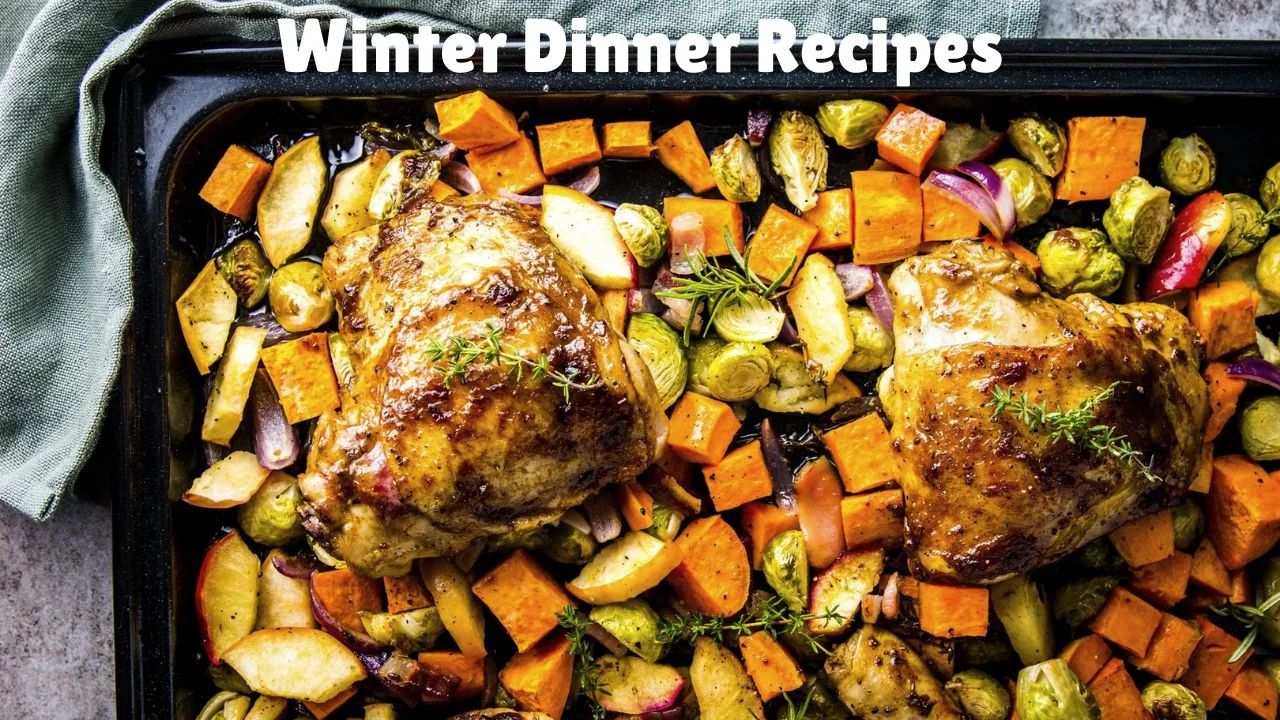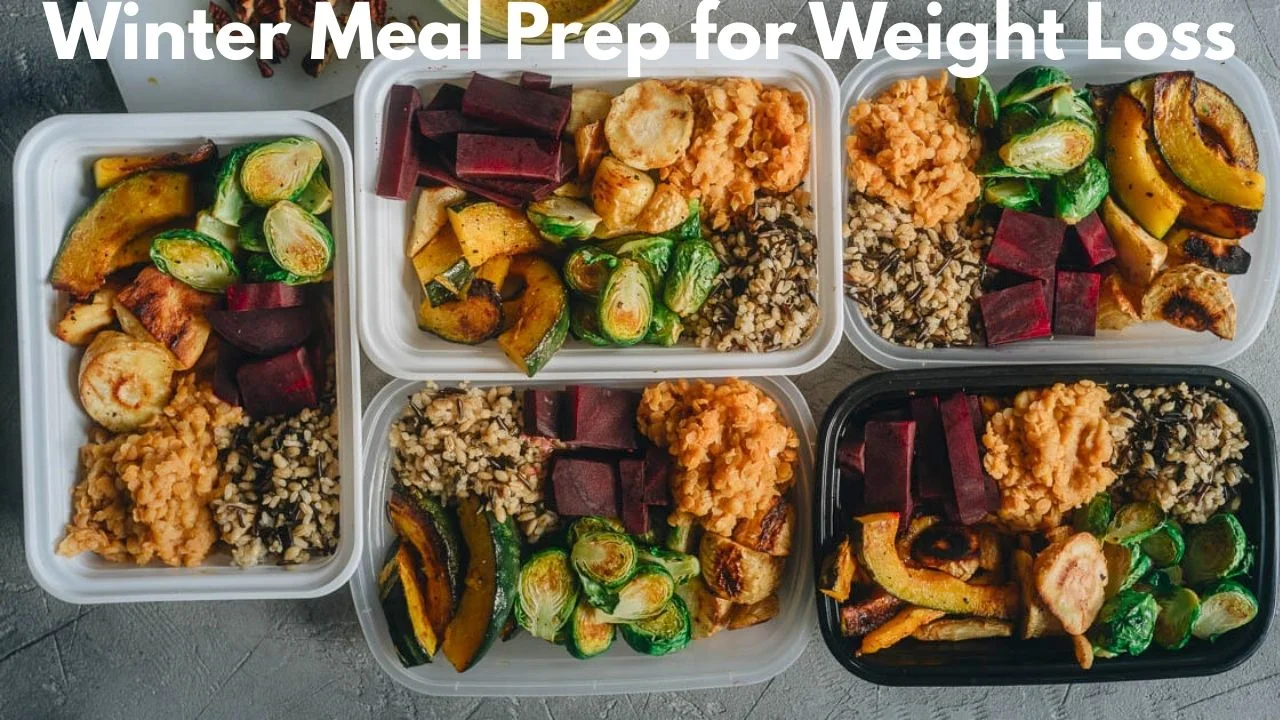
Winter meal prep for weight loss begins with understanding how cold weather affects your eating habits. The temperature drops, and suddenly, your body craves comfort food constantly. Planning prevents impulse decisions that derail your goals. Colder months challenge even the most dedicated health enthusiasts regularly. Shorter days reduce motivation while seasonal treats appear everywhere you look. However, strategic preparation transforms winter into your most successful weight loss season.
This guide provides practical methods for staying on track effortlessly. You’ll discover recipes that satisfy cravings without sabotaging progress consistently. Every strategy considers taste, convenience, and sustainable results equally.
Why Winter Meal Prep for Losing Weight Works
Preparing food in advance eliminates decision fatigue during vulnerable moments. When hunger strikes, you reach for pre-portioned healthy options automatically. This simple shift dramatically improves adherence to any eating plan.
The Science Behind Cold Weather Cravings
Your body genuinely needs more calories during winter to maintain core temperature. This biological reality explains increased appetite throughout colder months naturally. Understanding this helps you respond appropriately rather than fighting natural signals. Decreased sunlight affects serotonin production, triggering carbohydrate cravings specifically. Your brain seeks quick mood boosts through sugary or starchy foods. Balanced meals with adequate protein stabilize blood sugar and mood simultaneously.
Seasonal affective patterns influence eating behaviors beyond simple hunger cues. People often eat emotionally when feeling down or isolated indoors. Having nutritious prepared meals reduces reliance on food for comfort.
Benefits of Planning Ahead
Portion control becomes effortless when meals are pre-measured and ready. You avoid the common mistake of eyeballing servings that gradually increase. Consistent portions lead to predictable, sustainable weight loss over time. Time savings accumulate significantly when cooking just once or twice weekly. Those saved hours reduce stress and create space for exercise. Less kitchen time means more opportunity for movement and self-care.
Financial benefits add up quickly compared to daily cooking or takeout. Buying ingredients in bulk and reducing waste stretches budgets further. Healthy eating becomes affordable when approached strategically with planning.
Essential Principles for Success
Certain foundational concepts determine whether your efforts produce actual results. Understanding these principles prevents common pitfalls that discourage people quickly.
Calorie Deficit Without Deprivation
Weight loss requires consuming fewer calories than your body burns daily. However, extreme restriction backfires by slowing metabolism and increasing cravings. Moderate deficits of 300 to 500 calories create sustainable fat loss.
Focus on nutrient density rather than just cutting calories arbitrarily. Foods high in protein, fiber, and water volume fill you up. These choices satisfy hunger while naturally limiting overall calorie intake.
Protein Priority
Protein supports muscle maintenance while promoting satiety between meals effectively. Aim for 25 to 35 grams per meal to maximize these benefits. High-protein recipes for weight loss form the foundation of successful plans.
Lean meats, fish, eggs, and legumes provide excellent protein sources affordably. Greek yogurt and cottage cheese work perfectly for breakfast or snacks. Plant-based options like tofu and tempeh suit vegetarian preferences completely.
Balanced Macronutrients
While protein takes priority, healthy fats and complex carbohydrates matter too. Fats support hormone production and nutrient absorption throughout your body. Complex carbs provide sustained energy without blood sugar spikes afterward.
Include sources like avocados, nuts, olive oil, and fatty fish regularly. Whole grains, legumes, and starchy vegetables deliver satisfying carbohydrates appropriately. Balance prevents feelings of restriction that lead to eventual binges.
Simple Winter Meal Prep for Weight Loss Strategies
Starting doesn’t require culinary expertise or expensive equipment at all. These beginner-friendly approaches build confidence while delivering results immediately.
Batch Cooking Basics
Dedicate two to three hours weekly to preparing multiple meal components. Cook several proteins, roast vegetables, and prepare grains all at once. This efficient method stocks your refrigerator with ready-to-assemble meals quickly.
Choose one day when your schedule allows uninterrupted kitchen time consistently. Sundays work perfectly for most people planning weekday meals. Consistency with timing creates sustainable habits that last long-term.
Container Organization
Invest in quality glass or BPA-free plastic containers in various sizes. Clear containers let you see contents at a glance inside refrigerators. Proper storage maintains freshness and prevents food waste throughout the week.
Label everything with contents and dates using masking tape or markers. This simple step prevents mystery meals that get thrown out. Organization reduces morning stress when grabbing breakfast or lunch quickly.
Mix and Match Method
Prepare versatile base ingredients that combine differently across multiple meals. Grilled chicken appears in salads, grain bowls, and wraps without repetition. This variety prevents boredom while minimizing the actual cooking effort required.
Roast several different vegetables seasoned simply for maximum flexibility afterward. Rotate them through various combinations to keep meals interesting daily. Your taste buds stay engaged while nutrition remains consistently excellent.
Easy Winter Meal Prep for Weight Loss Recipes
These practical recipes deliver maximum results with minimal complexity or fuss.
Protein-Packed Breakfast Options
Egg muffins loaded with vegetables and turkey sausage start days perfectly. Bake a dozen on Sunday for grab-and-go convenience all week. Each muffin provides approximately 150 calories with 12 grams of protein. Overnight oats prepared with protein powder create filling, sweet breakfasts easily. Mix oats, unsweetened almond milk, protein powder, and berries in jars. Refrigerate overnight for ready-to-eat morning meals requiring zero effort.

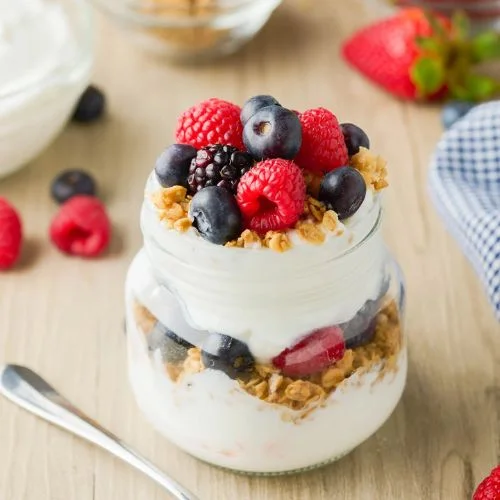
Greek yogurt parfaits layered with berries and low-sugar granola satisfy cravings. Portion them into individual containers for controlled serving sizes automatically. These provide probiotics, protein, and antioxidants in one delicious package.
Satisfying Lunch Ideas
Mason jar salads keep ingredients fresh and crisp for five days. Layer dressing at the bottom, then hearty vegetables, grains, and greens on top. Shake before eating for perfectly dressed salads every single time. White bean and vegetable soup fills you up with fiber and protein. This hearty option tastes even better after flavors have melded overnight in refrigerators. One batch yields six generous servings at approximately 220 calories each.
Turkey and vegetable stir-fry over cauliflower rice cuts carbs significantly compared to regular rice. Prepare vegetables and protein separately, then combine when reheating later. This low-carb option supports faster weight loss for many people.
Wholesome Dinner Recipes
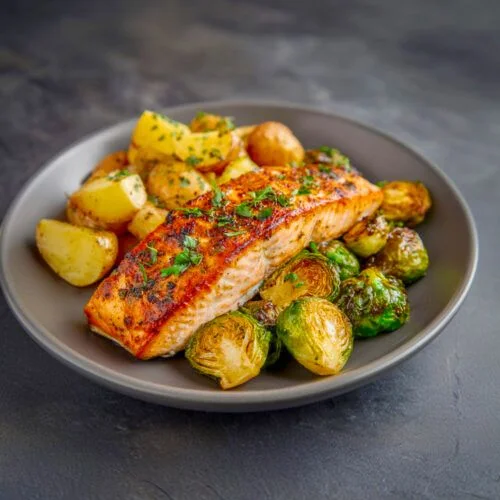
Baked salmon with roasted Brussels sprouts and sweet potato delivers complete nutrition. This colorful plate provides omega-3 fatty acids, fiber, and complex carbohydrates together. Season simply with lemon, garlic, and herbs for maximum flavor naturally. Chicken and white bean chili made in a slow cooker requires minimal effort. Combine chicken breasts, white beans, tomatoes, and spices in the morning. Return home to a ready-to-eat dinner, filling your house with amazing aromas.
Butternut squash stuffed with ground turkey and quinoa creates satisfying comfort food. This nutrient-dense meal looks impressive while supporting your weight loss goals. Each serving provides balanced macronutrients in perfect proportions automatically. Turkey meatballs paired with zucchini noodles replace traditional pasta successfully. Bake meatballs in large batches and freeze extras for future meals. Spiralized zucchini takes just minutes to prepare when you’re ready to eat.

Snack Preparation
Hard-boiled eggs seasoned with everything bagel seasoning make perfect snacks anytime. Prepare a dozen at once for convenient protein throughout the week. Each egg contains just 70 calories with six grams of protein. Vegetable sticks paired with individual hummus portions control calories while satisfying crunches. Pre-cut carrots, celery, and bell peppers on Sundays for easy weekday access. This fiber-rich snack prevents overeating at main meals effectively.
Apple slices with measured almond butter portions balance sweetness and healthy fats. Use small containers to pre-portion nut butters accurately every time. This prevents the common problem of eating directly from jars mindlessly.
Winter Meal Prep for Weight Loss: Vegetarian Options
Plant-based eating supports weight loss excellently when planned properly with intention.
High-Protein Plant Foods
Lentils provide exceptional protein and fiber for minimal calories per serving. Red lentil curry made with coconut milk and spinach tastes indulgent yet supports goals. One cup of cooked lentils delivers 18 grams of protein, surprisingly. Chickpeas roasted with spices create crunchy toppings for salads and bowls. They also work wonderfully in curry or mashed into burger patties. This versatile legume appears in countless delicious preparations successfully.
Tofu scrambles seasoned with turmeric replace traditional eggs for vegans completely. Press tofu thoroughly before cooking to achieve the best texture possible. Season boldly since tofu absorbs flavors from surrounding ingredients beautifully.
Vegetable-Forward Meals
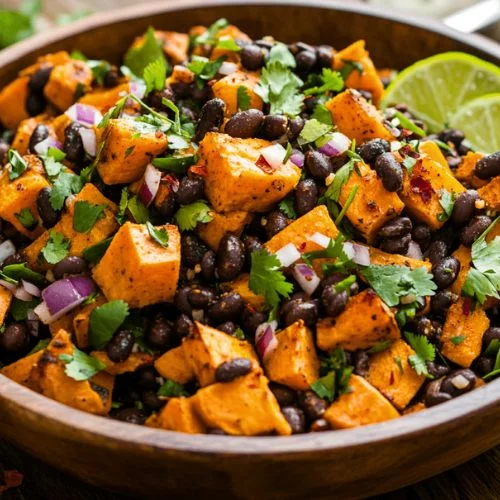
Black bean and sweet potato enchiladas satisfy Mexican food cravings healthily. Use corn tortillas and load them with vegetables for maximum nutrition. These freeze beautifully for convenient future dinners when needed urgently. Vegetable and white bean soup provides warmth and nourishment in every spoonful. This filling option costs very little to prepare in large batches. Pair with whole-grain bread for complete protein combinations naturally.
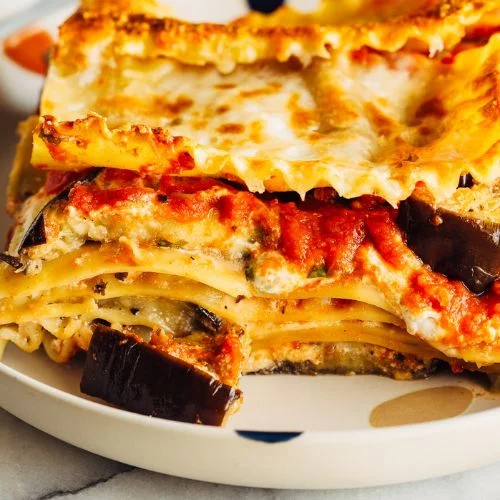
Eggplant lasagna layered with ricotta and marinara cuts calories dramatically compared to pasta. Thinly slice eggplant lengthwise to replace traditional noodles in layers. You won’t miss the pasta with this flavorful alternative at all.
Healthy Winter Meals on a Budget
Weight-loss nutrition doesn’t require expensive specialty ingredients or specialty stores.
Affordable Protein Sources Winter Meal Prep for Weight Loss
Canned tuna and salmon cost significantly less than fresh options. Mix with Greek yogurt instead of mayonnaise for protein-packed salads. These shelf-stable proteins make meal prep both convenient and economical. Whole chickens provide more value than pre-cut pieces pound for pound. Roast the bird, then use the bones for homemade broth afterward. This maximizes value from every dollar spent on protein sources.
Eggs remain one of the most affordable complete protein options available. They work in breakfast, lunch, dinner, and snacks without getting boring. Versatility and nutrition make eggs essential for budget-conscious meal prep.
Strategic Shopping
Buy frozen vegetables when fresh options seem too expensive or wasteful. Nutritional value remains excellent while costs drop significantly compared to fresh. You use only what you need without any spoilage concerns. Plan menus around weekly sales advertised in grocery store circulars. Stock up on proteins when prices drop and freeze extras immediately. This forward-thinking approach saves substantially over time without extra effort.
Generic or store brands often match name-brand quality at lower prices. Compare nutrition labels to confirm equivalent ingredients and values. Most people cannot taste differences in prepared meals anyway.
Healthy Winter Meals for Family
Preparing food that everyone enjoys prevents making multiple different meals nightly.
Kid-Friendly Preparations
Turkey meatballs appeal to children while providing lean protein for adults. Serve with whole wheat pasta for kids and zucchini noodles for yourself. Everyone eats together while meeting their individual nutritional needs successfully.
Build-your-own taco bars let each family member customize their plates. Provide lean proteins, beans, and abundant vegetable toppings as options. This interactive approach makes healthy eating fun rather than forced.
Scaling Recipes
Double or triple batch recipes to feed families and create leftovers. Larger quantities don’t require proportionally more effort during cooking time. The efficiency gains make family meal prep completely worthwhile.
Freeze individual portions for family members with different schedules or preferences. Everyone accesses home-cooked meals even when eating at different times. This flexibility supports both weight loss and family harmony.
Winter Meal Plan for Weight Loss
Structured plans eliminate daily decision-making that leads to poor choices.
Sample Weekly Schedule
Monday through Friday lunches might rotate through three different salads. Dinners follow a pattern like protein, vegetable, and starch each night. Repetition simplifies shopping and preparation significantly without causing boredom.
Flexible Framework
Build meal plans around preferred foods rather than forcing disliked items. Sustainable plans incorporate foods you genuinely enjoy eating regularly. Deprivation-based approaches fail because they’re impossible to maintain long-term.
Allow one to two flexible meals weekly for social occasions or cravings. Rigid plans create stress and often lead to complete abandonment eventually. Strategic flexibility actually improves adherence and long-term success rates.
Healthy Winter Recipes for Weight Loss Tips
Small tweaks to traditional recipes dramatically reduce calories without sacrificing satisfaction.
Cooking Method Modifications
Baking, grilling, or air frying instead of deep frying cuts fat calories. These methods still create delicious textures and flavors people love. Simple substitutions make huge differences in overall calorie intake weekly.
Using cooking spray instead of oil reduces fat by significant amounts. Each tablespoon of oil contains 120 calories that add up quickly. This easy swap saves hundreds of calories across multiple meals.
Ingredient Swaps
Greek yogurt replaces sour cream or mayonnaise in most recipes successfully. It adds protein while reducing fat and calories simultaneously every time. Most people cannot detect the difference in finished dishes.
Cauliflower rice substitutes for regular rice at a fraction of the calories. This vegetable-based swap increases vegetable intake while supporting weight loss goals. Season it well to enhance flavor and acceptance among skeptics.
Storage and Food Safety
Proper handling ensures food remains safe and delicious throughout the week.
Refrigeration Guidelines
Most prepared meals stay fresh for four to five days when refrigerated properly. Store items at 40 degrees Fahrenheit or below to prevent bacterial growth. Date everything clearly to track freshness at a glance.
Freezing Best Practices
Freeze meals in individual portions for maximum convenience and flexibility later. Remove as much air as possible from containers to prevent freezer burn. Most prepared meals maintain quality for two to three months frozen.
Label frozen items with contents and dates using permanent markers clearly. Rotate stock regularly, using the oldest items first to prevent waste. This organized system ensures nothing gets forgotten in freezer depths.
Also, give a sight to our other articles about healthy winter meals, winter activities for families, and how to keep your room warm in winter.
Conclusion
Winter doesn’t have to derail your health and fitness goals anymore. Strategic meal prep transforms cold months into your most successful season. These practical strategies work whether you’re cooking for one or feeding families. Start small by prepping just lunches or snacks initially if feeling overwhelmed. Build gradually as confidence and skills develop over several weeks. Consistency matters more than perfection when creating lasting lifestyle changes.
Remember that sustainable weight loss happens gradually through consistent small efforts. Trust the process and give strategies adequate time to produce visible results. Your future self will thank you for the dedication invested today. Winter meal prep for weight loss empowers you to take control of nutrition. These delicious, satisfying meals prove that healthy eating doesn’t mean deprivation. Embrace this season as an opportunity to develop habits that last a lifetime.