Good meals for a 2-year-old are simply smaller, softer, less salty versions of healthy family food. Think eggs and toast, yogurt and fruit, pasta with vegetables, salmon with sweet potato, or chicken with rice. A toddler’s portion is roughly a quarter of an adult’s (AAP). Most families aim for three meals and two snacks a day.
Two rules matter more than any recipe. First, cut food for choking safety: until age 4, round, hard and chunky foods like whole grapes, raw carrot sticks and chunks of cheese need to be cut, cooked soft or swapped (AAP). Second, keep salt low. Below are 12 easy breakfasts, lunches and dinners, toddler-safe snacks, a few desi swaps, and what to give your toddler to drink.
Ages: 2 years (most ideas also suit 18 months to 3 years)
Toddler food safety in 30 seconds
- Cut it small: pieces no bigger than ½ inch (1 cm). Quarter grapes and cherry tomatoes. Cook or grate hard fruit and veg. Spread nut butter thinly (AAP).
- Sit down to eat. Your toddler should be upright at a table or in a high chair, not walking, lying down or in a car seat, and always watched (CDC).
- Salt: children aged 1–3 should have no more than 2 g of salt a day in total (NHS). Go easy on stock cubes, soy sauce and deli meats (CDC).
- Fish: choose low-mercury fish such as salmon or cod, and remove every bone (FDA).
Breakfast ideas for 2-year-olds
1. Oatmeal with banana
Cook rolled oats in milk or water until soft and creamy. Stir in mashed or sliced ripe banana, or soft fruit like peach or pear, cut small. The banana sweetens it, so you don’t need sugar or syrup. For milk, use cow’s milk or unsweetened fortified soy milk. Most other plant milks aren’t recommended in place of dairy for young children (AAP).

2. Scrambled eggs with toast fingers
Whisk 1 egg with a splash of milk and scramble it in a little butter until fully set. Serve with whole-grain toast cut into fingers and some soft fruit cut into small pieces. Cut blueberries in half, or quarter them for younger toddlers (CDC).

3. Yogurt with soft fruit
Spoon plain full-fat or Greek yogurt into a bowl and top it with soft fruit cut small, such as mashed raspberries, chopped ripe mango or quartered strawberries. For crunch, add a little finely crushed oat cereal rather than granola, since granola clusters and whole nuts are choking hazards (CDC). Plain yogurt avoids the added sugar in many flavored ones.

4. Pancakes with nut butter and banana
Make small whole-grain pancakes, spread them with a thin layer of smooth peanut or almond butter, and top with banana slices. Then cut into strips. Thick globs of nut butter are a choking hazard, so always spread it thinly (AAP). If your child has never had peanut or tree nuts, or has a food allergy, talk to your pediatrician first.

Lunch ideas for 2-year-olds
For desi options that pack well, see our Pakistani lunch box ideas.
5. Grilled cheese with soft veggies
Melt a slice of cheddar or mozzarella between two slices of whole-grain bread in a pan. Cut it into small squares or fingers. Serve with steamed carrot coins cooked until soft, and peas lightly squashed with a fork.

6. Mini chicken or turkey quesadillas
Sprinkle half a whole-wheat tortilla with finely shredded home-cooked chicken or turkey and grated cheese. Fold and cook until the cheese melts, then cut into small pieces. Use leftovers rather than deli meat, which is high in salt (CDC).

7. Soft chicken and veggie stir-fry
Cook small pieces of chicken through, then stir-fry bell pepper and broccoli until soft. Toss them together and serve over rice or noodles. Take your toddler’s portion out before adding soy sauce, or use only a few drops of a reduced-salt one. Cut the chicken into pieces no bigger than ½ inch (1 cm). Chunks of meat are a choking hazard (AAP).

8. Veggie pasta with tomato sauce
Toss small pasta shapes in a homemade tomato sauce with grated zucchini or carrot blended in, and stir through soft steamed spinach or peas. Making your own sauce lets you skip the added sugar and salt in many jars.

Dinner ideas for 2-year-olds
9. Baked salmon with sweet potato and green beans
Bake salmon until it flakes easily, then flake it with your fingers and check carefully for bones. Bones in fish are a choking hazard (CDC). Serve with mashed sweet potato and green beans steamed until soft and cut small. Salmon is on the FDA’s “Best Choices” list. For ages 1–3, a serving is about 1 ounce, and the FDA suggests 2 servings a week (FDA).

10. Mini meatballs with mashed potato and broccoli
Mix ground beef, lamb or turkey with breadcrumbs, egg and a little garlic or cumin instead of salt, and roll into small meatballs. Bake until cooked through: 160°F (71°C) for ground beef or lamb, 165°F (74°C) for ground turkey (USDA). Cut each one into small pieces before serving. Serve with mashed potato and soft broccoli florets.

11. Veggie and cheese frittata
Whisk eggs with chopped spinach, pepper and onion and a little grated cheddar or crumbled feta, then cook until fully set. Use pasteurized cheese only, since unpasteurized cheese can carry harmful bacteria (CDC). Cut it into fingers. Leftovers make an easy lunch the next day.

12. Chicken and rice bake
Mix cooked, shredded chicken with cooked rice and soft mixed vegetables (peas, diced carrot). Pour over a light homemade cheese sauce and bake until bubbling. Leave out whole corn kernels for young toddlers, or mash them, because they’re on the CDC’s choking-hazard list (CDC). Swap the rice for pasta or barley some days. Rotating grains is one of the AAP’s tips for limiting heavy metals (AAP).

Desi meal swaps your toddler can share
Many everyday Pakistani and South Asian dishes work for toddlers with small tweaks. Take your child’s portion out before adding salt or chili, and cut everything small.
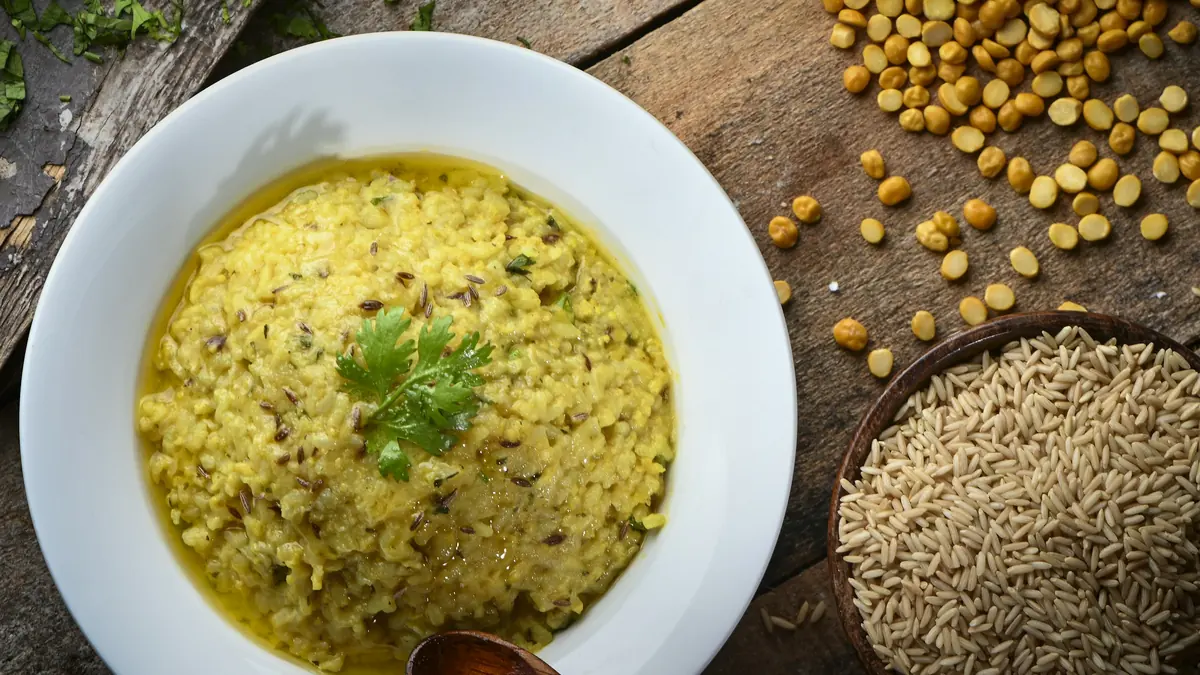
- Khichdi: rice and moong dal cooked soft with a little ghee, cumin and turmeric.
- Dal with soft roti: tear the roti into small pieces and dip it in unsalted or lightly salted dal.
- Chicken yakhni with vermicelli: a mild broth with shredded chicken and seviyan. See our salt-free chicken yakhni.
- Aloo anda: soft potato and fully cooked egg, lightly spiced with no green chili.
Healthy snacks for 2-year-olds
Healthy snack options include:
- soft fruit cut into small pieces (banana or ripe pear; grate or cook apple; quarter blueberries and grapes)
- soft-cooked vegetable sticks with hummus
- thin slices or shreds of cheese
- plain whole-grain crackers (no seeds or whole grains on top)
- plain yogurt or cottage cheese with soft fruit
- small sandwich squares on whole-grain bread with a thin spread
These swaps follow the AAP and CDC choking-hazard lists (AAP; CDC).
How to make common choking hazards safer
The AAP advises keeping these foods from children until about age 4, or changing their shape or texture first (AAP; AAP):
| Food | Safer way to serve it |
|---|---|
| Whole grapes, cherry tomatoes | Cut into quarters |
| Hot dogs, sausages | Quarter lengthwise, then slice into small pieces |
| Raw carrots, raw apple chunks | Cook until soft, or grate |
| Chunks of cheese, string cheese | Thin slices or shredded |
| Chunks of meat | Shred finely or cut ½ inch (1 cm) or smaller |
| Thick nut butter | Spread thinly |
| Whole nuts and seeds, popcorn, hard candy, marshmallows | Avoid |
What should a 2-year-old drink?
- Milk: from age 2, the AAP suggests switching to low-fat (1%) or nonfat milk, about 2–3 cups (16–24 oz) a day (AAP).
- Water: 1–5 cups (8–40 oz) a day for ages 2–5, depending on activity and weather (AAP).
- Juice: not needed. If you give it, keep it to no more than 4 oz (120 ml) of 100% juice a day for 2–3-year-olds (AAP).
- Skip soda, sweetened drinks, toddler milks and caffeinated drinks (AAP; CDC).
Meal ideas for 2-year-olds: FAQs
How much should a 2-year-old eat?
A toddler serving is about a quarter of an adult’s. That’s roughly 1 oz of meat or half an egg, 1 tablespoon of cooked vegetables per year of age, a quarter to half a slice of bread, or about 1/3 cup of yogurt (AAP). Appetite swings from day to day are normal. Offer food at regular times and let your child decide how much to eat.
Can my 2-year-old eat the same meals as the family?
Yes, and eating together helps. Take your toddler’s portion out before adding salt or chili, cut it small, and keep their total salt to no more than 2 g a day (NHS).
How do I get my 2-year-old to try new foods?
Serve a small amount of the new food next to something they already like. Eat it yourself, and keep offering it without pressure. Many toddlers need several tries before they accept a new taste. Fun shapes and letting them serve themselves can help too.
Can a 2-year-old have honey?
Yes. Honey is only off-limits before 12 months, because of the risk of infant botulism (CDC). But it counts as added sugar, so use it sparingly. Fruit is the better sweetener.
Keep reading
This article is for general information only and isn’t medical advice. Every child is different. Talk to your pediatrician (or GP or health visitor in the UK) about your child’s needs, especially if your child has a food allergy, eczema, a medical condition, or trouble with feeding or growth. If your child is choking or has signs of a severe allergic reaction (swelling of the lips or face, trouble breathing, becoming floppy or pale), call 911 in the US, 999 in the UK, or your local emergency number.
Sources
- American Academy of Pediatrics, HealthyChildren.org. Choking Prevention. Updated 27 Feb 2026.
- AAP, HealthyChildren.org. Serving Sizes for Toddlers. Updated 2 Jan 2024.
- AAP, HealthyChildren.org. Recommended Drinks for Young Children Ages 0–5. Updated 3 Oct 2023.
- AAP, HealthyChildren.org. Feeding & Nutrition Tips: Your 1-Year-Old. Updated 29 Oct 2020.
- AAP, HealthyChildren.org. Heavy Metals in Baby Food: Reducing Risk of Exposure. Updated 26 Sep 2025.
- CDC. Choking Hazards. Page dated 11 Mar 2026.
- CDC. Foods and Drinks to Avoid or Limit. Page dated 14 Apr 2026.
- U.S. Food and Drug Administration. Advice about Eating Fish. Content current as of 5 Mar 2024.
- USDA Food Safety and Inspection Service. Safe Minimum Internal Temperature Chart.
- NHS. Salt: the facts. Reviewed 17 Apr 2023.