No organic baby food brand is free of heavy metals, and organic isn’t automatically lower. The American Academy of Pediatrics says organic baby foods “may have lower levels of certain pesticides”, but “often contain similar levels of heavy metals as non-organic foods” (AAP). The FDA puts it plainly: organic crops absorb heavy metals from the earth just like conventional crops do (FDA).
What you can do is compare brands on evidence rather than labels. Since 2025, many baby foods sold in the US come with published, batch-by-batch heavy metal test results that you can look up in a minute or two. Below we explain how to find and read those results, what the FDA limits mean, and the everyday habits that matter more than any single brand.
Ages: 6 months to 2 years (the age range covered by FDA’s baby food limits)
The short version
- Don’t rely on “organic”, “clean” or “non-GMO” labels for heavy metals. Check the brand’s published test results instead.
- Homemade food isn’t automatically lower either. Crops carry the same trace metals whoever cooks them (FDA).
- Variety is the best everyday protection. Rotate foods and grains, and skip juice (AAP).
- Check for recalls. In September 2025, Sprout Organics recalled some pouches for potentially elevated lead (AAP).
What “organic” does and doesn’t mean for heavy metals
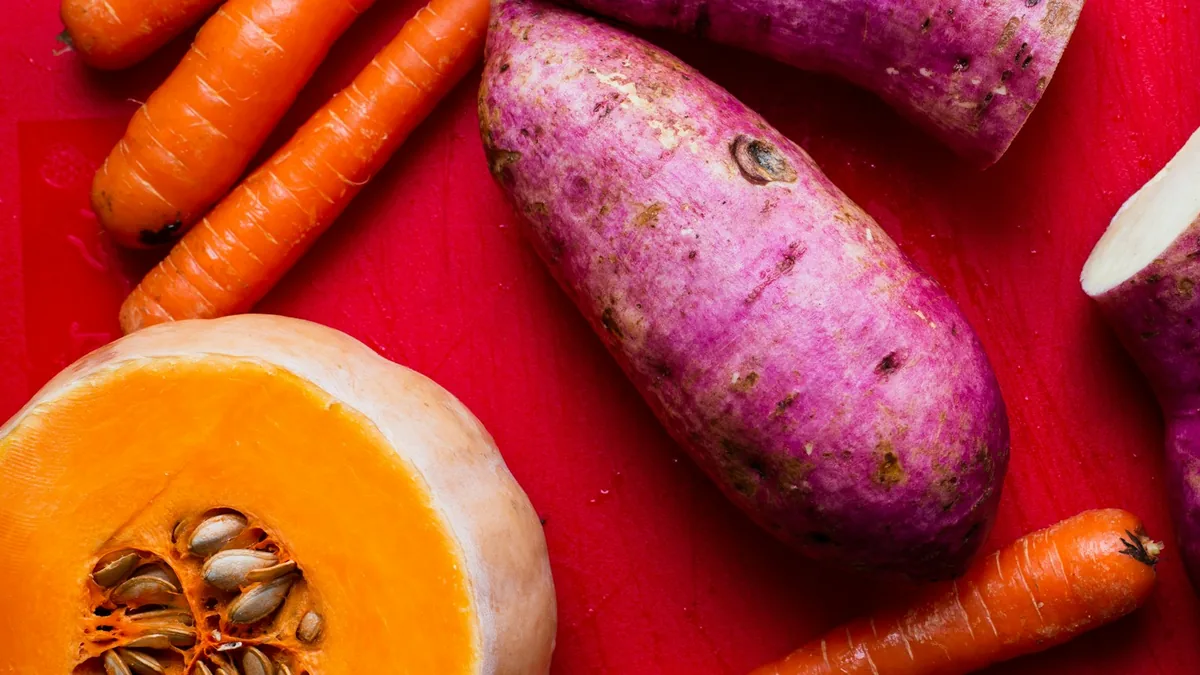
Organic certification is about how food is grown: which pesticides and fertilizers farmers may use, and how crops are handled. It isn’t a heavy-metal test. Lead, arsenic, cadmium and mercury are in soil and water naturally and from past human activity, and plants take them up whether the farm is organic or not (FDA).
That’s why the same ingredient, such as sweet potato, rice or spinach, can test differently from one field, season or batch to the next. And it’s why a brand’s own lab results tell you far more than the words on the front of the pack.
How to look up a brand’s heavy metal test results
Since January 2025, California law (AB 899) has required baby food sold in the state to be tested for arsenic, cadmium, lead and mercury. Brands must post the results online and add a QR code on the label that links to them (California AB 899). Because most national brands sell in California, this works for many products across the US:
- Find the lot or batch code on the jar, pouch or box, usually printed near the best-by date.
- Scan the QR code on the label, or open the brand’s results page and enter the code. Examples: Cerebelly test results, Little Spoon testing hub and Gerber (results by batch on gerber.com).
- Note the four numbers: lead, arsenic, cadmium and mercury, usually in parts per billion (ppb).
- Compare lead with the FDA action levels in the table below.
If you can’t find a product’s results, ask the brand’s customer service for them.
How to read the results
- Lead: compare the figure with the FDA’s action levels for foods made for children under 2. That’s 10 ppb for most baby foods, and 20 ppb for single-ingredient root vegetables and dry infant cereals (FDA guidance). The full table by food type is in our baby food pouches guide.
- “ND” or “non-detect” means below the level the lab can measure, not zero (Cerebelly).
- Arsenic, cadmium and mercury: there are no finalized FDA action levels for these in processed baby food yet. The FDA says it is targeting 2027 for draft guidance on inorganic arsenic (FDA). Lower is better, and variety across foods matters most.
- One result covers one batch. Use it to compare products, not as a lifetime guarantee for a brand.
Habits that matter more than the brand
The AAP’s advice focuses on the whole week’s plate rather than any one brand. Serve a variety of foods, switch up grains, skip fruit juice, choose low-mercury fish, and check your water and any old paint at home (AAP). We go through each step in 7 ways to lower your baby’s exposure to heavy metals.
Recalls and alerts
Even brands with strong testing programs can have a bad batch. In September 2025, Sprout Organics voluntarily recalled certain 3.5-ounce Sweet Potato, Apple & Spinach pouches (lots 4212, 4213, 4282 and 4310) for potentially elevated lead (AAP). Check the FDA recalls list (US) or Food Standards Agency alerts (UK) from time to time.
Organic baby food and heavy metals: FAQs
Is homemade baby food lower in heavy metals?
Not necessarily. The FDA says there is “no reason to believe that homemade foods would contain fewer heavy metals” (FDA). Homemade food lets you choose ingredients and avoid packaging, so it’s a good option if you vary what you cook. Try our easy baby food recipes.
Which foods tend to be higher?
Rice absorbs more arsenic from groundwater than other crops (AAP). The FDA also allows a higher lead level for single-ingredient root vegetables and dry infant cereals than for other baby foods (FDA). These foods are still fine to eat. Just don’t let any one of them dominate.
Should I have my baby tested?
The AAP says routine heavy-metal testing isn’t needed, and it doesn’t recommend hair tests (AAP). If you’re worried about lead in particular, ask your pediatrician whether a blood lead test makes sense.
Keep reading
- Baby food pouches and heavy metals: what parents can do
- Easy homemade baby food recipes, 6 months+
- What to feed a 1-year-old
Brand names and links in this article are for information only and aren’t safety endorsements. This article contains no affiliate links.
This article is for general information only and isn’t medical advice. Every child is different. Talk to your pediatrician (or GP or health visitor in the UK) about your child’s needs, especially if your child has a food allergy, eczema, a medical condition, or trouble with feeding or growth. If your child is choking or has signs of a severe allergic reaction (swelling of the lips or face, trouble breathing, becoming floppy or pale), call 911 in the US, 999 in the UK, or your local emergency number.
Sources
- American Academy of Pediatrics, HealthyChildren.org. Heavy Metals in Baby Food: Reducing Risk of Exposure. Updated 26 Sep 2025.
- U.S. Food and Drug Administration. Closer to Zero: Reducing Childhood Exposure to Heavy Metals in Foods. Content current as of 27 Oct 2026.
- FDA. Guidance for Industry: Action Levels for Lead in Processed Food Intended for Babies and Young Children. Final, January 2025.
- California Legislature. AB-899 Food safety: baby food: toxic heavy metals.
- FDA. Recalls, Market Withdrawals, & Safety Alerts.